


The Hidden Hero of Your Septic System: Why Effluent Filters Matter

If you’ve had your septic tank pumped or inspected recently, you may have heard your septic professional mention something called an effluent filter.
And if your first thought was:

“Wait… my septic system has a filter?”
—You’re definitely not alone.
Many homeowners in Northwest Ohio have never heard of this small but extremely important component, yet it plays a major role in protecting:
Your septic system
Your leach field
Groundwater
Nearby waterways
And ultimately… the environment
Despite its small size, the effluent filter is one of the hardest-working parts of your septic system. When properly maintained, it can significantly extend the life of your leach field and help prevent expensive septic repairs.
The problem is, most homeowners don’t even realize it exists until there’s an issue.
So let’s break down:

What an effluent filter actually is
Where it’s located
Why it matters so much
Warning signs of problems
And how simple maintenance can protect your system for years to come
Because understanding your septic system shouldn’t feel complicated.
And yes… women know their 💩 too. 💛
First — What Does an Effluent Filter Do?
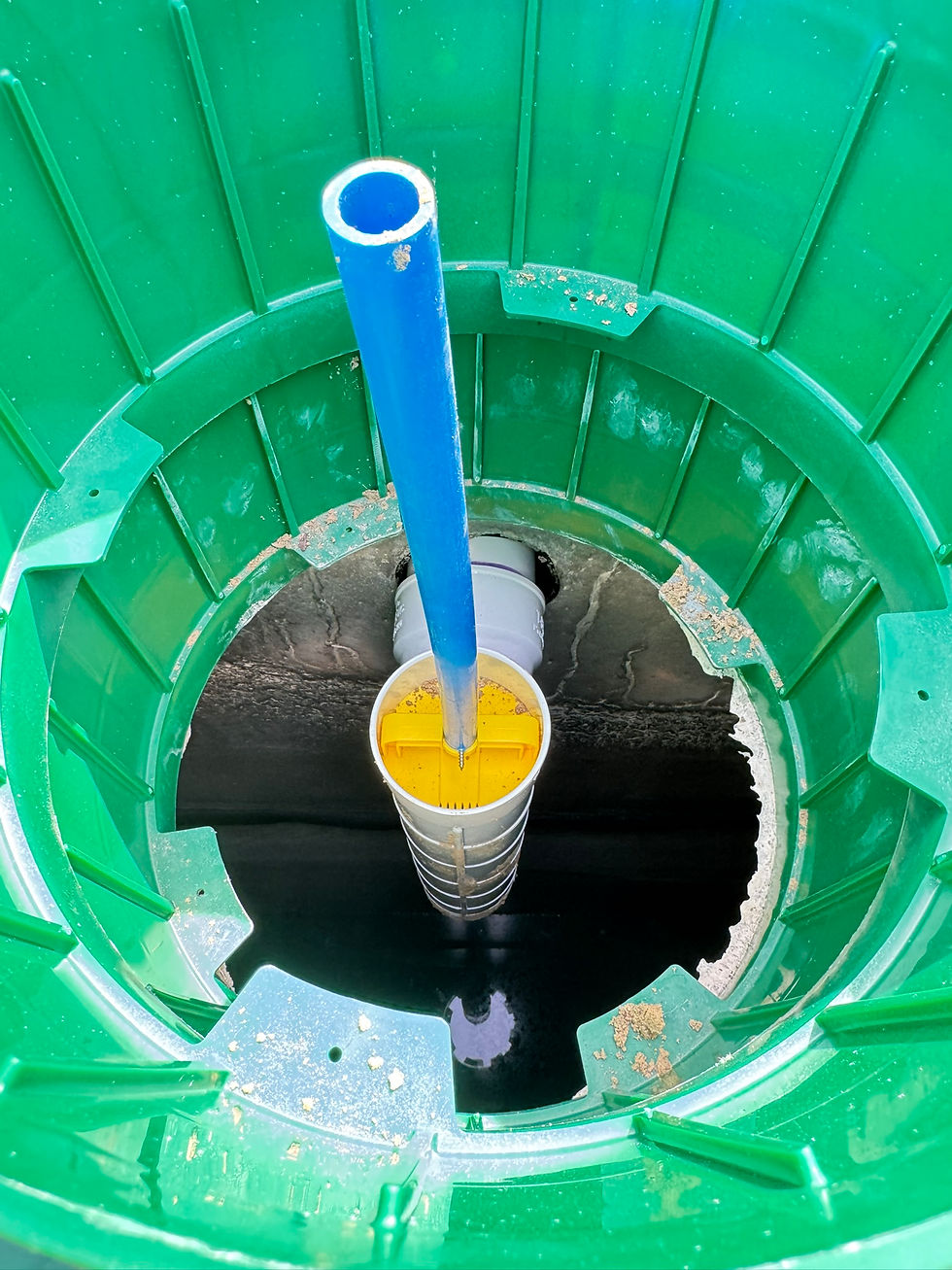
An effluent filter is exactly what it sounds like: a filter that screens wastewater (effluent) before it leaves your septic tank and enters your leach field.
Inside your septic tank, wastewater naturally separates into three layers:
Scum layer at the top
Liquid effluent in the middle
Sludge layer at the bottom
The liquid layer is what flows out toward your drain field for further treatment in the soil.
But even after solids settle inside the tank, tiny suspended particles still remain in the wastewater.
That’s where the effluent filter comes in.

The filter acts like a protective barrier, catching:
Hair
Wipes
Food particles
Grease buildup
Lint
Small solids
Organic debris
Before those materials can leave the tank and enter the leach field.
Think of it as a “last line of defense” for your septic system.
Where Is the Effluent Filter Located?
Most effluent filters are installed inside the septic tank at the outlet baffle.
That means the filter is located:

Near the pipe leaving the septic tank
Just before wastewater flows to the next treatment component
Depending on your system, it may be:
Under a riser lid
Inside a secondary compartment
Attached to the outlet tee
Some homeowners don’t realize they even have one because it remains hidden underground inside the tank.
Many newer septic systems are required to have effluent filters, whereas older systems may not include them unless retrofitted or upgraded.
Why Effluent Filters Matter So Much
This tiny component has one very important job:
Protecting the Leach Field
Your leach field is one of the most expensive and important parts of your septic system.
Unfortunately, it’s also one of the hardest components to repair or replace.
When solids escape the septic tank and enter the leach field, they can:

Clog distribution pipes
Block soil pores
Create biomat buildup
Prevent wastewater absorption
Cause surfacing sewage
Lead to premature drain field failure
And once a drain field becomes severely clogged, replacement can cost thousands — sometimes tens of thousands — of dollars.
The effluent filter helps stop that damage before it starts.
Why This Matters Even More in Northwest Ohio
Here in Northwest Ohio, many septic systems already face difficult conditions due to:
Clay-heavy soils
Slow drainage
High groundwater tables
Seasonal saturation
Flat terrain
Because our soils naturally drain more slowly than sandy regions, protecting the leach field becomes even more critical.
Once solids begin clogging a drain field in dense clay soils, recovery becomes much harder.
That’s why effluent filters are especially valuable in this region.
They help reduce the amount of suspended solids that reach already sensitive soil treatment areas.
Effluent Filters Also Protect the Environment
Your septic system doesn’t just affect your property.
It affects:

Groundwater
Ditches
Streams
Local waterways
Soil health
Neighboring properties
A properly functioning septic system naturally treats wastewater before it returns to the environment.
But when solids overload the system or untreated wastewater surfaces, contamination risks increase significantly.
Poorly functioning systems can contribute to:
Bacteria contamination
Nutrient pollution
Groundwater impacts
Algae growth in waterways
Public health concerns
The effluent filter helps improve wastewater quality before it reaches the drain field, making it an important environmental protection tool — not just a plumbing component.
What Happens If an Effluent Filter Gets Dirty?
Here’s the important thing homeowners need to understand:
An effluent filter is supposed to catch solids.
That means eventually… it gets dirty.
And honestly? That’s actually a sign it’s doing its job.
But if the filter becomes too clogged, wastewater flow slows down and can eventually create symptoms inside the home.
Common Signs of a Clogged Effluent Filter
A dirty filter can cause symptoms that mimic more serious septic problems.
Homeowners may notice:
Slow drains
Toilets flushing sluggishly
Gurgling plumbing
Sewage odors
Water backing up into tubs or showers
Septic alarms activating (on pump systems)
The good news?
Sometimes, cleaning the effluent filter quickly resolves the issue before major damage occurs.
That’s why routine maintenance matters.
The Biggest Problem: “Flushable” Wipes
Let’s talk about one of the biggest enemies of effluent filters.
“Flushable” wipes.
Despite the label, most wipes do not break down properly in septic systems.
Instead, they:

Wrap-around filters
Create thick mats of debris
Restrict wastewater flow
Cause premature clogging
And wipes aren’t the only problem.
Other common offenders include:
Paper towels
Feminine products
Grease
Coffee grounds
Cat litter
Excessive food waste
Dental floss
Cotton swabs
Your septic system is designed for:

Human waste
Toilet paper
Normal household wastewater
That’s it.
How Often Should an Effluent Filter Be Cleaned?
This depends on:
Household size
Water usage
Septic system type
Tank size
What gets flushed
Whether a garbage disposal is used
In general, most professionals recommend cleaning the filter:
At least one time per year, sometimes every 6 months
Some systems may require more frequent maintenance.
Homes with:
Large families
Garbage disposals
Heavy laundry usage
Older plumbing habits often experience faster buildup.

Can Homeowners Clean the Filter Themselves?
Technically, yes — but many homeowners prefer to have a septic professional handle it.
Why?
Because removing the filter improperly can:
Damage components
Release unpleasant odors
Exposes homeowners to bacteria
Cause backups if not reinstalled correctly
A septic professional can also inspect:
Tank levels
Baffles
Pump components
Signs of system stress during the cleaning process.
Think of it as preventive healthcare for your septic system.
What Happens If You Ignore It?
This is where small maintenance issues can turn into major expenses.

A neglected effluent filter may eventually:
Restrict the flow from the tank
Cause backups into the home
Increase tank levels
Push solids into the drain field
Shorten system lifespan
And once solids enter the leach field, the damage becomes much more expensive to correct.
A simple filter cleaning is far cheaper than:
Drain field replacement
Emergency excavation
Sewage cleanup
Major repairs
Not All Filters Look the Same
Effluent filters come in various styles and designs depending on:
Manufacturer
Septic system type
Tank configuration
Some resemble:
Cylinders
Cartridges
Slotted tubes
Mesh inserts
But regardless of design, they all serve the same essential purpose: protecting downstream components from solids.
Modern Septic Systems Depend on Them
As septic technology evolves, protecting treatment components becomes increasingly important.
Many advanced systems today include:
Aerobic treatment units
Pump chambers
Dosing systems
Media filters
Drip irrigation
Sand filters
These systems often require cleaner effluent to function properly.
That makes effluent filters even more critical in modern septic design.
Septic Maintenance Isn’t Just About Pumping
One of the biggest misconceptions homeowners have is:
“If I pump my tank every few years, I’m good.”
Pumping is important — but it’s only one piece of proper septic maintenance.
A healthy septic system also requires:
Routine inspections
Filter cleaning
Water usage management
Proper flushing habits
Drain field protection
Your septic system is an entire ecosystem underground.
And the effluent filter plays a major role in maintaining the balance of that ecosystem.
The Bottom Line
Your effluent filter may be small…
…but it has a huge responsibility.
It helps:
Protect your drain field
Improve wastewater quality
Reduce environmental impact
Prevent solids from leaving the tank
Extend the life of your septic system
Save homeowners from expensive repairs
And in Northwest Ohio — where challenging soil conditions already place extra stress on septic systems — this small component becomes even more important.
The best part?
Protecting it is relatively simple.
Routine maintenance, smart flushing habits, and regular inspections can go a long way toward keeping your septic system functioning properly for years to come.
Because when it comes to septic systems…
The little things underground often make the biggest difference. 💛


Comments