


The $20,000 Mistake Homebuyers Make: Skipping The Septic Inspection


Buying a home is one of the biggest investments most people will ever make.
You inspect the roof.
You check the furnace.
You ask about the age of the water heater.
You test outlets, appliances, windows, and doors.
But if the home has a septic system?
One of the most important systems on the property is often completely overlooked.
And here’s the reality many homeowners discover too late:
Your septic system is the most expensive “appliance” in your home.
It quietly handles every drain, every flush, every load of laundry, and every shower — every single day. Yet many buyers purchase homes without ever having the septic system professionally inspected.
That can turn into a very expensive mistake.
If you’re buying a home in Northwest Ohio or any rural area, getting a septic inspection before closing isn’t optional — it’s essential.
Let’s break down why septic inspections matter, what they include, and how they can save homeowners from major financial surprises.
Your Septic System Handles EVERYTHING
Most people don’t think much about their septic system until something goes wrong.
But your septic system is responsible for managing and treating every drop of wastewater leaving your home.
That includes:

Toilets
Showers
Bathtubs
Bathroom sinks
Kitchen sinks
Dishwashers
Washing machines
Garbage disposals
Every drain in your home leads to the septic system.
Think about that for a second.
If your refrigerator breaks, it’s inconvenient.
If your furnace stops working, it’s uncomfortable.
But if your septic system fails?
You may be dealing with:
Sewage backups
Drains that no longer function
Standing sewage in the yard
Major excavation work
Health hazards
Environmental contamination
Repairs costing thousands — sometimes tens of thousands — of dollars
And unlike many household appliances, septic systems are buried underground, where problems often remain hidden until significant damage has already occurred.
Many Buyers Assume the Home Inspection
Covers the Septic System
This is one of the biggest misconceptions in real estate.
A standard home inspection typically does not include a full septic evaluation.
Many home inspectors:

Do not uncover the septic tank
Do not inspect sludge levels
Do not run sewer cameras
Do not evaluate the drain field performance
Do not inspect baffles or filters
Do not verify system sizing or condition
In some cases, the septic system may be mentioned only briefly.
That means buyers can walk into closing with little to no understanding of the condition of one of the home’s most important systems.
Septic Problems Are Often Invisible
That’s what makes septic systems tricky.
A home can appear completely normal during a showing while serious septic issues are developing underground.
The grass may look green.
The toilets may flush.
The sinks may drain.
Meanwhile:
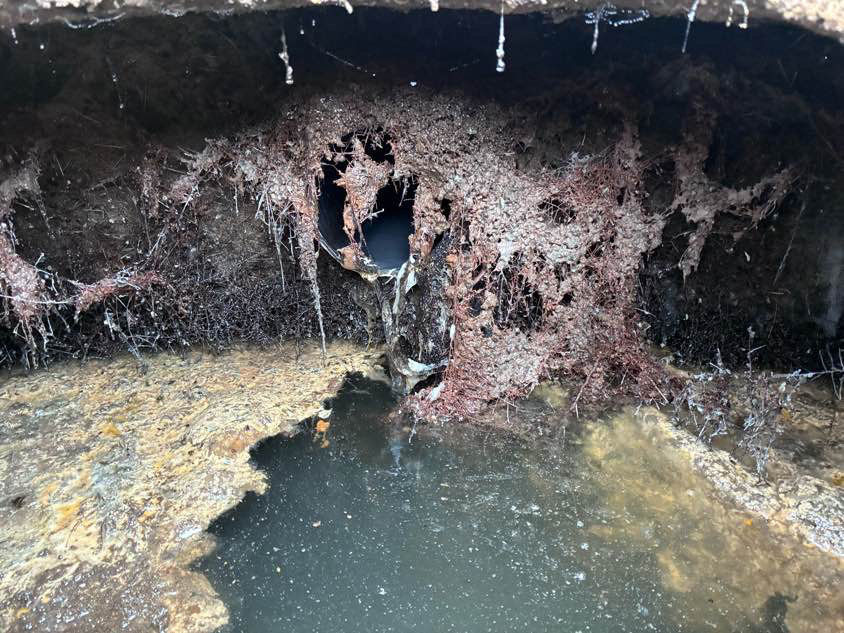
The tank could be cracked
The effluent filter could be clogged or missing.
The sewer line could be collapsing
The drain field could be failing
The system could be undersized
The baffles could be deteriorating
The tank may have never been pumped
Because septic systems are buried underground, many problems aren’t visible without a professional inspection.
What a Real Septic Inspection Should Include
A proper real estate septic inspection goes far beyond simply locating the tank.
A qualified septic company should thoroughly evaluate the condition and operation of the system.
1. Locating and Opening the Septic Tank
The first step is to physically locate and uncover the septic tank.
Once opened, the inspector can evaluate:
Tank condition
Structural integrity
Sludge levels
Scum levels
Inlet and outlet baffles
Signs of overflow or backups
Effluent filter condition
This inspection can reveal years of neglect or early signs of major problems.
2. Measuring Sludge and Scum Levels
A septic tank naturally separates into layers:

Solids settle at the bottom
Oils and grease float to the top
Liquid wastewater remains in the middle
If the sludge becomes too high, solids can leave the tank and damage the drain field.
Excessive buildup may indicate:
Poor maintenance history
Overloaded usage
Long overdue for pumping
Potential downstream issues
This gives buyers valuable information about how the previous homeowner maintained the system.
3. Running Water Tests Inside the Home
Inspectors often run multiple fixtures simultaneously to evaluate system flow.
This helps determine whether wastewater is:
Draining properly
Backing up
Moving slowly
Showing signs of restriction
Simple flow testing can expose hidden issues that aren’t obvious during a quick home tour.
4. Sewer Camera Inspections
One of the most valuable tools during a septic inspection is a sewer camera.
A camera inspection can reveal:

Root intrusion
Cracked pipes
Offset joints
Pipe collapses
Grease blockages
Improper pitch
Deteriorating pipe material
Many older homes in Northwest Ohio still have aging sewer lines made from:
Clay tile
Orangeburg pipe
Cast iron
These materials can deteriorate significantly over time.
And because these lines are underground, homeowners usually don’t know there’s a problem until sewage backs up into the home.
5. Evaluating the Drain Field
The drain field — also called the leach field — is one of the most expensive parts of a septic system to replace.
This is where treated wastewater is dispersed into the soil for final filtration.
Inspectors look for signs of:

Saturated soil
Standing water
Sewage odors
Surface discharge
Poor absorption
Soil compaction
System overload
A failing drain field can easily cost $10,000–$20,000 or more to replace.
And unfortunately, many failing drain fields show very few visible symptoms early on.
Northwest Ohio Creates Extra Septic Challenges
If you live in Northwest Ohio, septic inspections are even more important given our region's soil conditions.
This area commonly deals with:
Heavy clay soils
High groundwater tables
Slow drainage
Flat terrain
Seasonal saturation
These conditions can place additional stress on septic systems.
A system that functions adequately during dry summer months may struggle during wet spring seasons.
That’s why local septic knowledge matters.
An inspector familiar with Northwest Ohio understands how regional soil and groundwater conditions impact septic performance.
The Hidden Financial Risk of Skipping an Inspection
Many homebuyers skip septic inspections to save money during the buying process.
Ironically, that decision can lead to some of the largest repair bills after closing.
Without an inspection, buyers could unknowingly inherit:
A failing drain field
A cracked septic tank
A system that is too small for the home
Broken sewer lines
Major backups
Hydraulic overload issues
Unpermitted installations
Environmental contamination problems
And unlike cosmetic repairs, septic repairs are rarely cheap.
Excavation alone can become expensive very quickly.
Septic Issues Can Affect Property Value
A failed septic system doesn’t just create inconvenience.
It can dramatically impact:
Property value
Financing
Insurance concerns
Future resale
County compliance
Some mortgage lenders and health departments may require septic inspections before approving certain transactions.
A documented inspection also gives buyers leverage during negotiations if problems are discovered before closing.
Septic Inspections Provide Peace of Mind
A good septic inspection isn’t about trying to “kill the deal.”
It’s about understanding what you’re buying.
When the inspection comes back healthy, buyers gain:
Confidence
Peace of mind
Maintenance recommendations
System education
A baseline for future care
And if issues are discovered early, buyers can:

Negotiate repairs
Request credits
Plan for future maintenance
Avoid unexpected surprises
Knowledge is always better than guessing.
Septic Maintenance Starts With Education
One thing septic professionals see all the time is homeowners who were simply never taught how their systems work.
Many people move from city sewer systems into rural homes without realizing:
They now manage their own wastewater treatment
Septic systems require maintenance
Pumping is necessary
Water usage habits matter
Certain products should never be flushed
A septic inspection often becomes the first educational experience homeowners have about their system.
And that education matters.
A properly maintained septic system can last for decades.
Questions Buyers Should Ask

If you’re buying a home with a septic system, ask:
When was the tank last pumped?
Are maintenance records available?
How old is the system?
Has the drain field ever been repaired?
Is the system sized appropriately for the home?
Has the sewer line been camera-inspected?
Are there risers installed?
Does the system have an effluent filter?
The more information you gather before closing, the better protected you are afterward.
Your septic system is not a minor feature of your home.
It is one of the largest, most important, and most expensive systems on the property.
Every drain in your house leads to it.
And because septic systems are underground, problems often stay hidden until they become major — and expensive.
A professional septic inspection helps protect:
Your investment
Your family
Your finances
Your property value
Your peace of mind
So before you buy that rural dream home with acreage, sunsets, and wide-open space....
make sure you know what’s happening underground, too.
Because when it comes to home buying… what you can’t see may matter the most. 💛


Comments